
Bitcoin’s future hangs in the balance as geopolitical tensions escalate, making it crucial for investors to understand the implications on the crypto market. The impact of factors like inflation risks and shifts in the US economy could reshape Bitcoin’s viability as a safe asset.
Geopolitical Tensions and Their Impact on Bitcoin
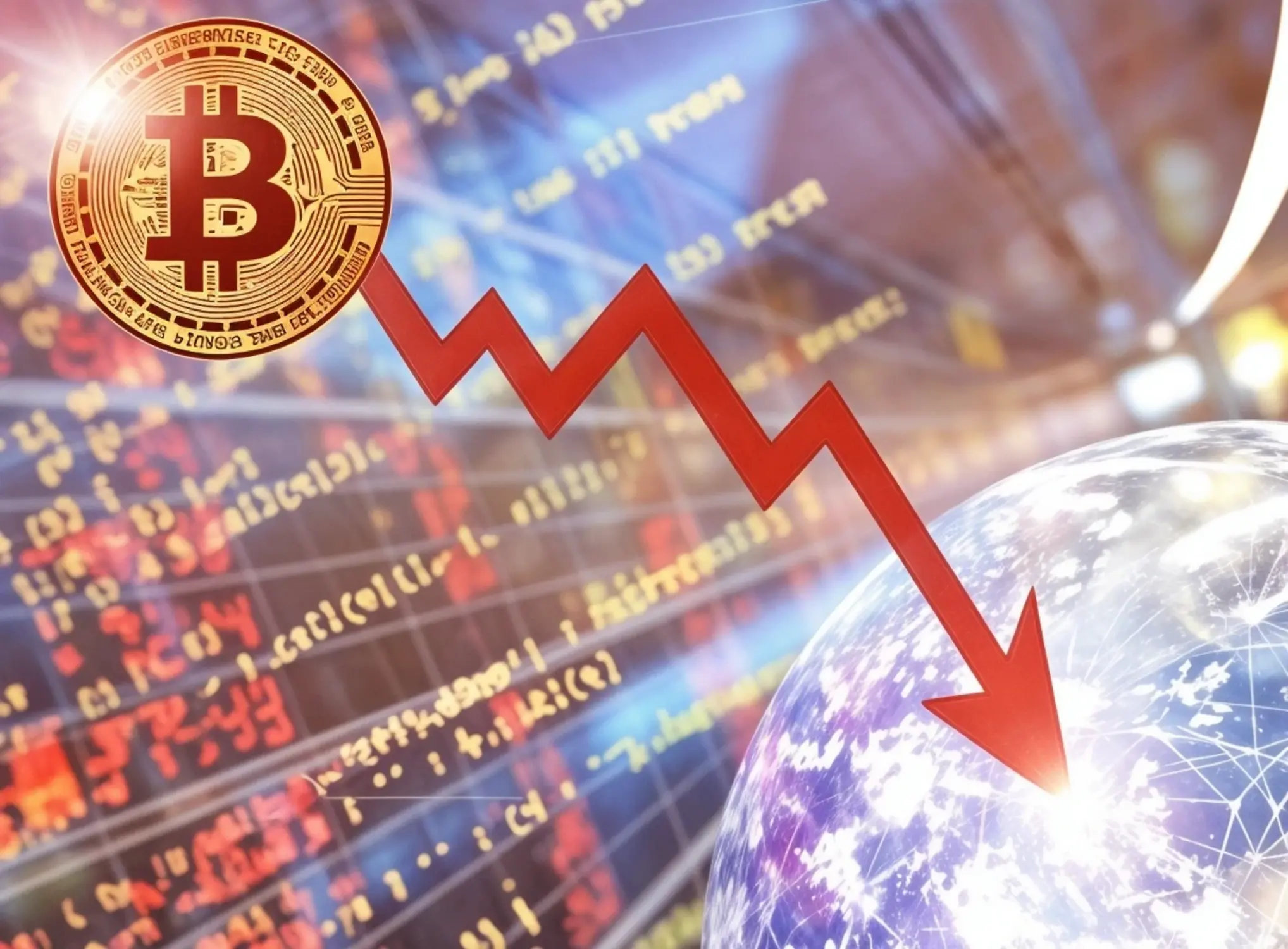
Geopolitical conflicts are on the rise, and their implications for Bitcoin are increasingly pronounced. Recent events, such as military skirmishes and diplomatic standoffs, trigger market reactions that can alter Bitcoin’s value. Specifically, Bitcoin has shown sensitivity to international crises, responding variably based on investor sentiment. For instance, during heightened tensions, Bitcoin often mirrors traditional safe-haven assets. After the U.S. government made strategic Bitcoin moves as tensions escalated with Iran, Bitcoin saw a price drop below $68,000, akin to the downward pressure on gold and silver.
This relationship suggests a correlation between Bitcoin’s stability and the dynamics of geopolitical strife. Investors often flock to established safe havens like gold during crises, leading to complex interplay affecting Bitcoin, highlighting its ongoing evolution in the global economic landscape.
The Evolving Landscape of the Crypto Market
Amid rising geopolitical tensions, the crypto market is witnessing significant volatility. Cryptocurrency valuations have fluctuated unpredictably, influenced by external factors such as war, sanctions, and political upheaval. This instability is evident in the behavior of Bitcoin and altcoins, which have been subject to sharp market swings. As political unrest threatens global stability, investors are cautious, impacting market confidence.
Moreover, factors like the COVID-19 pandemic and economic sanctions have also contributed to the unpredictability of cryptocurrencies. The recent geopolitical developments underscore how intertwined global events are with the crypto market dynamics. Market confidence, already shaken by inflation fears, continues to be tested as investors reassess their positions in Bitcoin and other digital currencies during these tumultuous times.
Inflation Risks Affecting Bitcoin’s Value
Inflation remains a key factor influencing Bitcoin’s appeal as an asset. Traditionally perceived as a hedge against inflation, Bitcoin’s value can fluctuate drastically under rising inflation conditions. Historical performance indicates that Bitcoin can thrive during inflationary periods, but recent inflation risks may dampen its attractiveness.
Data illustrates that Bitcoin soared during previous inflationary environments, challenging the notion of its stability as prices rise. However, as inflationary pressures emerge globally, analysts are divided on Bitcoin’s role in safeguarding value. With the potential for inflation to reshape monetary policy and investment strategies, understanding how Bitcoin interacts with these economic factors is essential for shaping investment decisions and forecasts.
The State of the US Economy and Bitcoin
Several key economic indicators are influencing Bitcoin’s appeal in the U.S. As inflation surges and the Federal Reserve adjusts monetary policy, the crypto landscape shifts. Interest rates, employment rates, and government spending directly impact Bitcoin’s position as an investment vehicle. For instance, if inflation continues to rise, Bitcoin could gain more traction as an alternative asset, appealing to investors weary of fiat currency depreciation.
Moreover, government fiscal policies significantly shape the landscape for Bitcoin investments. As fiscal responses evolve to counterbalance inflation and stimulate growth, Bitcoin’s attractiveness could be compared to traditional stocks and bonds. In this volatile environment, investors may favor Bitcoin for its potential upside against the backdrop of weakening economic performance.
Strategic Moves from Government Influencing Bitcoin
Government actions are pivotal in shaping the Bitcoin narrative. Various countries are adopting contrasting stances on cryptocurrency regulations and transfers. Recent strategic transfers, particularly amid geopolitical tensions, are reshaping Bitcoin’s perception. For example, the U.S. government initiated strategic Bitcoin transfers in response to the Iran conflict, indicating a nuanced use of cryptocurrency in foreign policy.
Additionally, these government actions not only influence immediate trading behaviors but also shape long-term sentiment toward Bitcoin. As governments grapple with digital currencies’ complexities, ongoing regulatory changes will significantly impact Bitcoin’s future and its standing in the broader economic context.
What Investors Can Do Amid Uncertainty
Navigating the current market conditions requires that investors remain vigilant and agile. Practical steps include thorough research, leveraging analytical tools, and keeping abreast of global developments that could influence Bitcoin’s value. Alongside these strategies, long-term investment approaches should focus on Bitcoin’s fundamental capabilities as a decentralized currency.
Investors should also be proactive in monitoring changes in global markets and regulations. Building a diversified portfolio that includes both traditional and digital assets may mitigate risks associated with geopolitical tensions. Awareness remains paramount to make informed decisions amidst uncertainty, particularly as the impacts of inflation and government actions unfold in a rapidly changing market.
The Future of Bitcoin in a Tense Global Environment
The future trajectory of Bitcoin is under scrutiny as tensions unfold globally. Speculations suggest that Bitcoin could evolve into a more mainstream asset class as its unique attributes reassert themselves amid financial chaos. Investors continue to watch for anticipated shifts in market behavior closely, especially if geopolitical developments continue to escalate.
Furthermore, potential regulatory changes are set to impact Bitcoin’s future significantly. Understanding these prospective shifts in policy could provide insights for investors positioning themselves to leverage Bitcoin’s capabilities in an increasingly uncertain world. As the global landscape changes, Bitcoin’s role in finance may become more robust, carving a new path for both investment strategies and its acceptance in the financial world.
About The Author