
The emergence of digital token identifiers marks a pivotal moment in cryptocurrency transparency. As the crypto market continues to expand, these identifiers offer solutions to regulatory challenges, ensuring greater accountability and trust in digital assets. Here’s why this matters to everyone invested in the future of finance.
Understanding the Role of Tagging in Crypto
Digital token identifiers (DTIs) are a crucial element in enhancing cryptocurrency transparency. These unique identifiers help in tagging digital assets, facilitating accurate tracking and reporting. Unlike traditional asset tagging methods, which rely on physical identifiers, DTIs apply digital technology for seamless integration within the blockchain ecosystem. This advancement means every transaction can be clearly linked to its respective asset, enhancing the level of scrutiny and reducing ambiguity in crypto exchanges.
Additionally, the use of DTIs aligns with protocols adopted by traditional finance, making cryptocurrency transactions more familiar and manageable for investors and regulators alike. Industry experts suggest that implementing a standard tagging system will revolutionize transparency in cryptocurrency markets, moving towards more structured and regulated environments in the wake of increased scrutiny (Etrading Software).
Regulatory Needs in Cryptocurrency Markets
Regulating the cryptocurrency market poses unique challenges. Cryptocurrencies operate in a decentralized environment, often evading traditional regulatory frameworks. Digital token identifiers address this gap significantly. Regulatory bodies have expressed a necessity for standardized identifiers to enhance oversight and reporting mechanisms. As the cryptocurrency market shifts towards mainstream adoption, ensuring compliance through effective means of identification becomes increasingly necessary.
For example, the DTI Foundation plans to manage these identifiers, paralleling regulatory practices seen in stock markets (Etrading Software). With the anticipated launch of DTIs, it is expected that mandatory reporting requirements for digital assets will come into play by the end of 2023, further enhancing oversight and accountability in the evolving cryptocurrency landscape.
Key Insights on Current Market Trends
As of now, the cryptocurrency market has ballooned to a staggering capitalization, surging past $2 trillion earlier in 2023. This rapid growth intensifies the demand for structured oversight. Digital token identifiers are set to play a pivotal role in this ecosystem. They will likely influence how crypto exchanges operate, creating uniform standards for facilitating trades (Etrading Software).
Furthermore, the predicted adoption rate of DTIs shows that they might encompass over 80% of current crypto activities, indicating a significant shift towards enhanced transparency. Investors and exchanges alike stand to benefit from this structured approach, as it promises to reduce risks associated with poorly tracked transactions.
Implications for Cryptocurrency Transparency
The integration of DTIs is expected to significantly increase the visibility of crypto transactions. This transparency is crucial for ensuring that all market participants are aware of the nature and path of digital assets. By facilitating compliance with reporting requirements, DTIs will help mitigate issues surrounding market manipulation and fraudulent activities
.
Furthermore, the use of digital token identifiers can help build trust among stakeholders. As people become more conscious of how their digital assets are being tracked and regulated, the likelihood of engagement in cryptocurrency markets will likely rise. With greater transparency, the barriers to entry for new investors can diminish, paving the way for a more inclusive financial future.
Actionable Strategies for Crypto Investors
For crypto investors, adapting to this evolving landscape is crucial. Staying informed about regulatory changes is paramount, as these identifiers may soon require compliance with various reporting protocols. Here are some actionable strategies to leverage digital token identifiers effectively:
– Educate Yourself: Understand how DTIs will impact trading and reporting.
– Monitor Regulatory Updates: Keep an eye on announcements from the DTI Foundation and relevant regulatory bodies to remain compliant.
– Adapt Investment Practices: Consider how the introduction of DTIs can alter the dynamics of asset valuation.
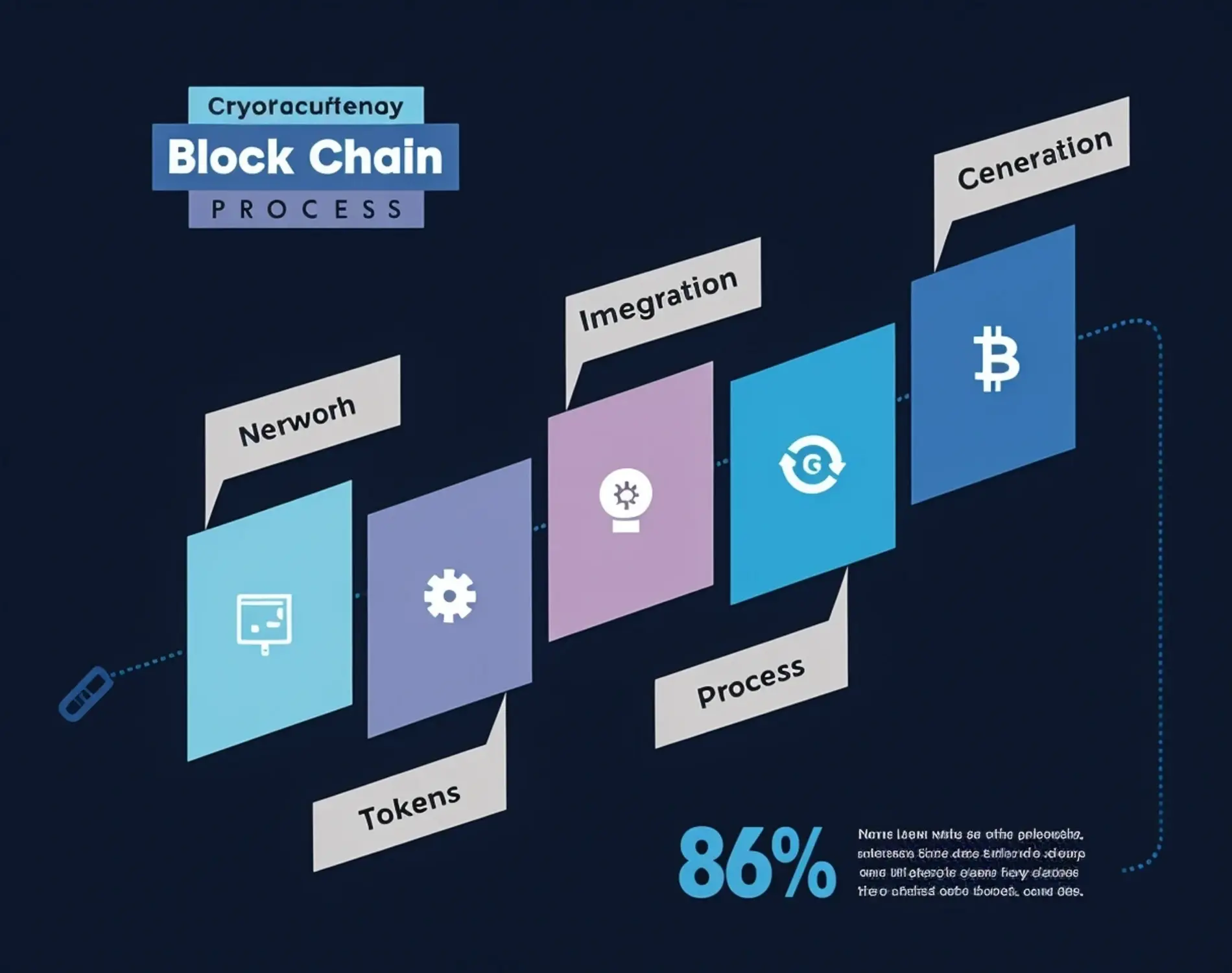
By adopting these strategies, investors can navigate the emerging landscape of cryptocurrency transparency more effectively.
Future of Cryptocurrency with Data Tagging
Looking to the future, the long-term impact of digital token identifiers can reshape not only the cryptocurrency market but also broader financial markets. As DTIs become commonplace, we can expect an evolution of how markets are regulated, with enhanced mechanisms for accountability and transparency.
Moreover, the potential for widespread adoption points towards a future where financial transactions, irrespective of their nature, are accurately tracked and reported. This reform promises not only to bolster trust in cryptocurrencies but also to align them more closely with traditional finance (recent analysis). In conclusion, as digital token identifiers pave the way for a transparent and regulated cryptocurrency market, the implications for financial systems globally are profound, encouraging a more secure stance towards digital finance.
About The Author