
In today’s volatile financial landscape, stablecoins have emerged as a critical tool for investors navigating the complexities of the crypto market. Understanding their role and reliability can significantly impact investment strategies and risk management.
Understanding the Role of Stablecoins in Investments
Stablecoins are digital currencies designed to maintain a stable value against a reserve of assets, typically fiat currency. Their primary purpose in the crypto market is to ease trading and provide a hedge against the rapid price fluctuations common in traditional cryptocurrencies. As noted by recent analyses, stablecoins can effectively safeguard value, making them appealing to investors during turbulent market conditions.
The benefits of using stablecoins for stability in trading are manifold. For instance, they offer liquidity, enabling traders to swiftly execute transactions without experiencing significant losses due to slippage. Additionally, stablecoins can bridge the gap between fiat and crypto, providing a means for investors to enter and exit positions seamlessly. This fluidity is particularly useful when markets swing unpredictably, ensuring that investors can manage their portfolios effectively.
Key features that make stablecoins enticing to investors include their backing by tangible assets and transparency in operations. Many stablecoins, such as Tether (USDT) and USD Coin (USDC), aim to offer 1:1 value with the US dollar, creating trust among users. Furthermore, regulatory compliance and audits enhance their credibility, leading to broader acceptance among crypto investors.
The Importance of Financial Reliability in Cryptocurrency
Financial reliability is critical in the cryptocurrency space, often marked by extreme volatility and significant risks. Stablecoins contribute to this reliability by providing a secure store of value, particularly when compared to more volatile cryptocurrencies. Many investors turn to stablecoins during downturns, seeking to preserve their capital while waiting for more favorable conditions to reinvest.
When examining stablecoins versus traditional cryptocurrencies like Bitcoin and Ethereum, the differences in stability become evident. For example, Bitcoin can experience drastic price fluctuations within hours, whereas stablecoins aim to offer consistent value pegged to established currencies. As highlighted in various reports, the ability of stablecoins to mitigate risks associated with market volatility can be crucial for preserving investor wealth.
Moreover, security measures for stablecoins, such as regular audits and established backing structures, ensure that these assets remain trustworthy. Investors are increasingly aware of the importance of due diligence, and platforms backing stablecoins are putting measures in place to enhance their reliability and safeguard against potential breaches, as seen when certain platforms reacted to security threats specifically concerning user funds and stablecoin integrity.
Current Trends in the Crypto Market Structure
The crypto market has seen various developments recently, particularly concerning the growth of stablecoins and their impact on market structures. With the surge in interest in decentralized finance (DeFi), stablecoins have become integral to many financial services, such as lending and yield farming. According to Bloomberg, many projects are focusing on integrating stablecoins into these services, signifying a shift toward a more stable financial framework.
The increasing adoption of stablecoins reflects a broader trend toward the formalization and institutionalization of the crypto market. As investors seek reliable tools to navigate fluctuations, the demand for stablecoins continues to grow. Moreover, their ability to maintain relative stability even during downturns has cemented their position as a go-to asset in the portfolio of modern investors.
Challenges Investors Face Without Stablecoins
Investors face several potential risks and volatility when trading without stablecoins. The absence of a reliable stabilizing asset can lead to swift losses as market fluctuations expose investors to heightened risks. For instance, a sudden price drop in a major cryptocurrency can deplete capital quickly, pushing investors to exit positions at unfavorable times.
To mitigate these risks when trading without stablecoins, investors can diversify their portfolios across different cryptocurrencies, focusing on those with relatively lower volatility. Additionally, employing risk management strategies such as setting stop-loss orders can help protect investments from volatile swings.
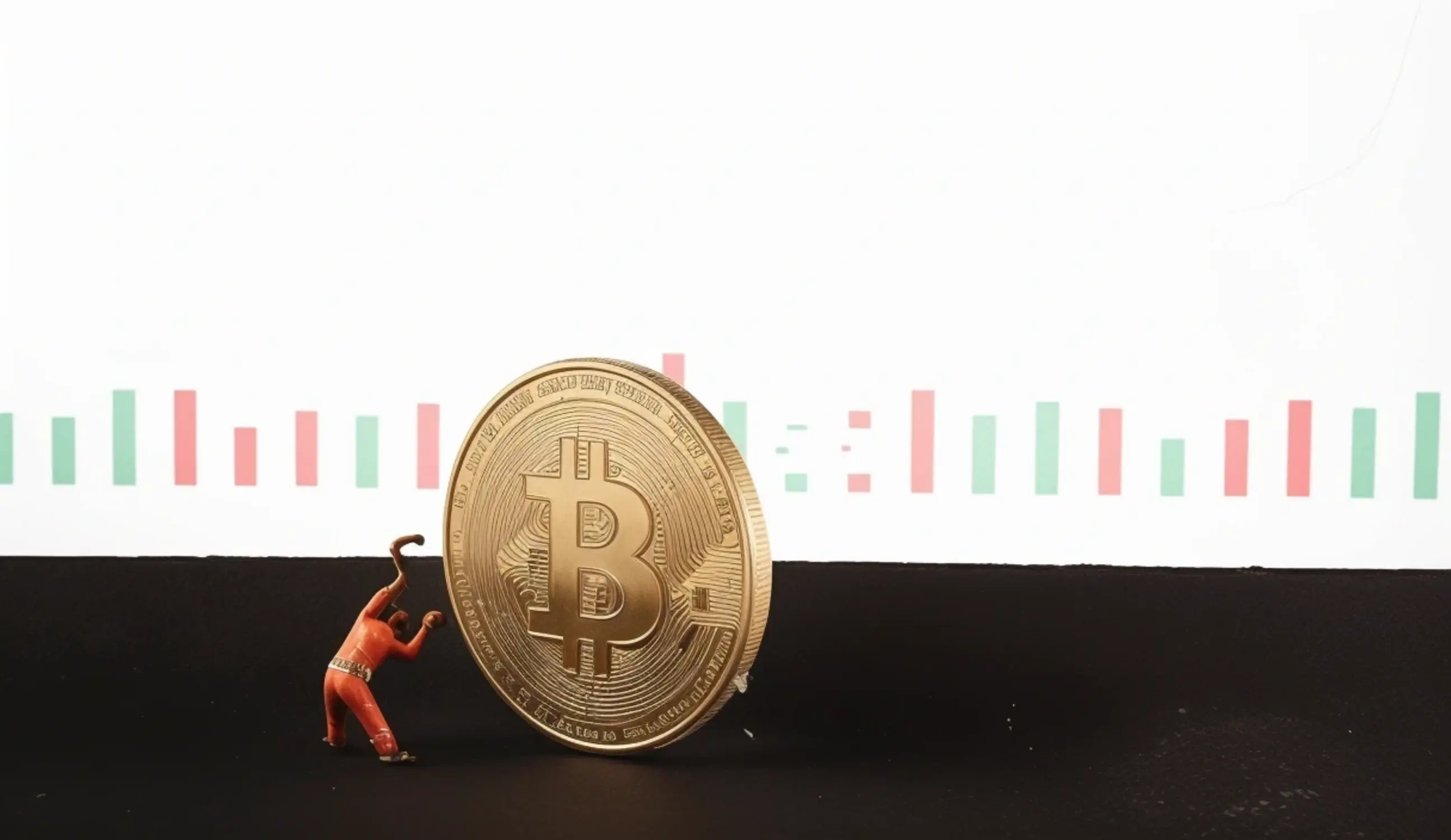
Market scenarios particularly highlight where stablecoins provide an advantage. For instance, during sudden market dips, investors holding capital in stablecoins can swiftly reinvest into undervalued assets, effectively taking advantage of market inefficiencies. Such strategic maneuvers become difficult without stablecoins, often leading to missed opportunities in a fast-paced environment.
Strategies for Effectively Using Stablecoins
Incorporating stablecoins into investment portfolios requires a strategic approach. One effective strategy involves allocating a portion of the portfolio to stablecoins to serve as a buffer against volatility. This approach allows investors to maintain liquidity while simultaneously managing risks associated with market fluctuations.
When selecting the right stablecoins, investors should consider factors such as regulatory compliance, adoption rates, and the transparency of reserves backing the coin. As the market evolves, staying informed about emerging projects and their stability is crucial. By analyzing market conditions and performance metrics, investors can make informed decisions that align with their investment goals.
Balancing risk effectively with stablecoins in trading can also involve timing market entries and exits. For example, entering the crypto market during downturns with stablecoins allows for a low-cost basis, providing opportunities to capitalize on subsequent price rebounds.
Future Directions for Stablecoins in the Crypto Market
Looking forward, the evolution of stablecoins appears promising. Predictions indicate a burgeoning interest in integrating stablecoins within traditional financial frameworks. As regulatory bodies worldwide begin to clarify their stance on digital assets, the potential for extensive adoption of stablecoins grows considerably.
The potential regulatory impacts on stablecoin usage will shape the future landscape of cryptocurrencies. Increased oversight may enhance trust and adoption, but it could also impose restrictions that alter how stablecoins function. Emerging trends, such as the rise of central bank digital currencies (CBDCs), could further influence the adoption of stablecoins as governments explore digital alternatives for fiat currencies.
In conclusion, the role of stablecoins in the crypto market is increasingly vital. As financial reliability and the demand for stability grow, these instruments present significant advantages for investors. By embracing stablecoins, investors can navigate the complexities of the crypto landscape with more confidence.
About The Author