
The current landscape of economic instability has prompted investors to closely observe Bitcoin dips as indicators for future market movements. Understanding how these trends interact with the global economy is essential for navigating today’s complex investing environment.
Economic Significance of Bitcoin Dips
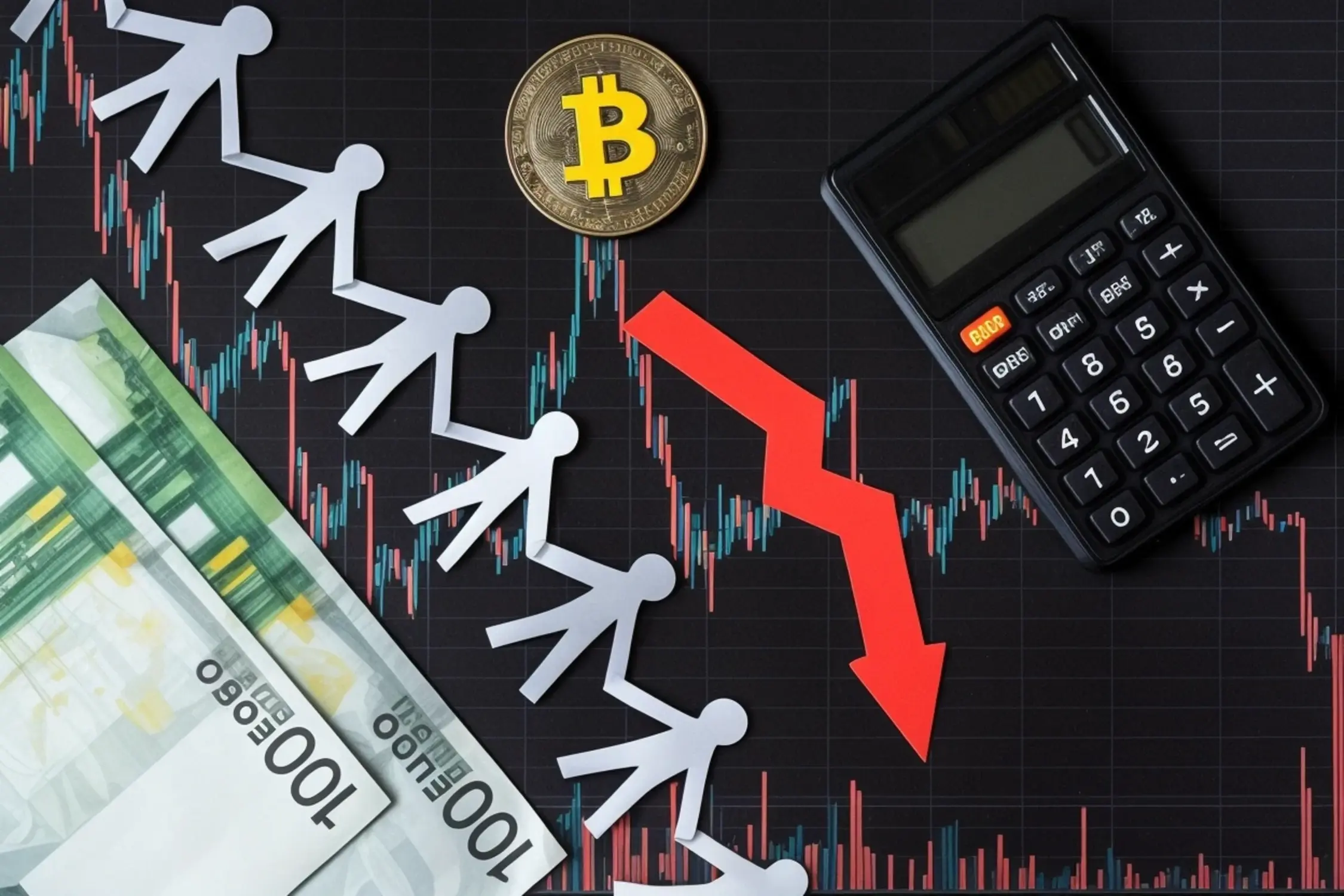
Bitcoin dips serve as a barometer for wider market sentiments, reflecting the anxieties and expectations of investors. As traditional markets falter amidst economic instability, many investors turn to Bitcoin, perceiving it as a potential safe haven. Historical data shows that Bitcoin has frequently demonstrated a correlation with stock market trends, indicating that shifts in cryptocurrency can foreshadow movements within more established financial arenas. This interplay has garnered significant attention, particularly when stock markets face downturns, impacting investor psychology.
Investor behavior often intensifies during economic uncertainty. As seen in recent analysis, some investors interpret Bitcoin dips as buying opportunities, advocating for a strategic approach that views temporary declines as long-term investment potential. Psychologically, this signals a shift in thinking; rather than reacting to fear, some investors pursue a calculated strategy aimed at capitalizing on market volatility, offering a contrast to the often more conservative approaches observed in traditional asset classes such as stocks or bonds.
Impact of Bitcoin on the Global Economy
The influence of Bitcoin within the global financial framework is steadily growing. With more investors integrating cryptocurrency into their portfolios, Bitcoin’s position is reshaping traditional economic paradigms. A report from The Washington Post highlights significant correlations between Bitcoin price movements and various economic indicators, suggesting that its performance might reflect broader economic conditions.
Bitcoin’s ability to serve as a hedge against inflation further emphasizes its relevance. As central banks respond to economic challenges with expansive monetary policies, cryptocurrencies offer an alternative investment avenue, providing diversity in portfolios. This trend is critical during times of turbulence, as investors seek to mitigate risk and protect their wealth.
Current Crypto Market Movements
The recent fluctuations in Bitcoin prices reflect broader market conditions and investor sentiment. For instance, significant volatility has characterized Bitcoin’s recent trends, which have shaped expectations within the crypto market. Currently, analysts observe that Bitcoin price dips often correlate with increased trading volume, indicating heightened investor interest in times of market uncertainty. This behavior resonates with the ongoing evaluations of recent trends in the crypto landscape, suggesting that many see Bitcoin as a leading indicator for market trends.
Furthermore, key statistics reveal that as Bitcoin’s price experiences dips, there is often a corresponding surge in interest from retail investors, demonstrating its increasing role as a focal point for investment decisions amid evolving market dynamics. The relationship between Bitcoin and other cryptocurrencies also continues to expand, shaping the narrative of the ongoing crypto evolution.
Bitcoin Versus the Stock Market
When analyzing Bitcoin’s performance alongside traditional stock markets, certain patterns emerge. Historical data suggests that Bitcoin often leads shifts in market sentiment, affecting investor expectations across various asset classes. While stock markets are often influenced by corporate earnings and macroeconomic data, Bitcoin’s reaction to news events can sometimes anticipate movements in traditional markets. For example, dips in Bitcoin have been observed to coincide with downturns in the stock market, as investors reassess their positions in reaction to broader economic signals.
By examining instances wherein Bitcoin trends have predicted stock market fluctuations, investors gain insights into potential future movements. This simultaneous analysis of Bitcoin and stock performance provides valuable frameworks for making informed decisions amid economic volatility, reinforcing the notion that Bitcoin is increasingly relevant to the traditional investing narrative.
Investing Trends During Economic Turmoil
Emerging investment strategies are redefining approaches to navigating economic challenges. Investors are capitalizing on Bitcoin dips to create opportunities in otherwise tumultuous landscapes. A proactive strategy may involve leveraging Bitcoin as both an asset and a tool for managing risk, particularly as inflationary pressures and geopolitical events shape financial climates. As noted by various analysts, the landscape is ripe for investors willing to adapt their strategies in the face of uncertainty.
Particularly during economic turmoil, traditional investment strategies often require reassessment. Incorporating Bitcoin into investment plans not only enhances diversity but also allows investors to tap into opportunities that might arise from market corrections. The ability to pivot and incorporate new information effectively can be a game-changing element for investors looking to mitigate risks associated with traditional asset classes.
Actionable Insights for Investors
To navigate Bitcoin dips effectively, investors should consider several practical strategies. First, establishing a disciplined buying strategy during price corrections enables prudent investment without succumbing to market panic. Additionally, maintaining a balanced portfolio—incorporating both traditional assets and cryptocurrencies—can provide a safety net in times of volatility. Keeping abreast of market developments through reliable resources is also crucial for informed decision-making.
Investors are encouraged to leverage analytical tools that can offer insights into pricing trends, sentiment analysis, and broader market factors. Ultimately, as the financial landscape continues to evolve, the adaptive use of Bitcoin and an understanding of its trends will play a vital role in effective investing during economically challenging times.
About The Author