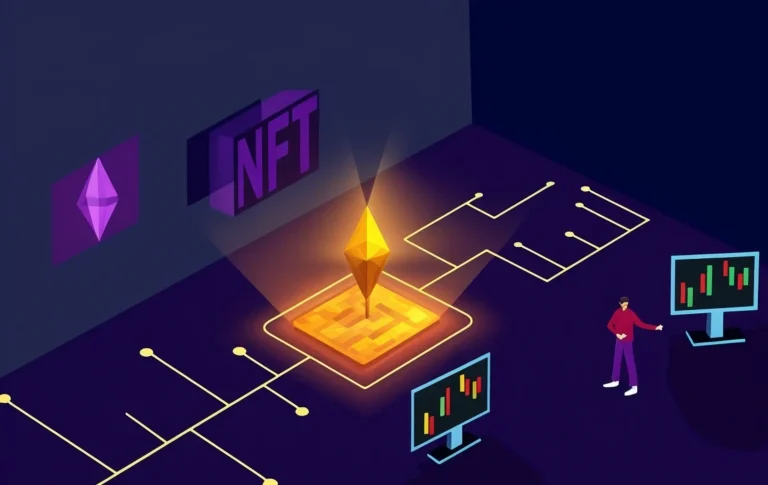
With a $10 billion economy, Iran’s crypto market reveals critical insights amidst turmoil. An unexpected spike in activity signals the resilience and adaptation of users facing geopolitical challenges. Understanding these dynamics is crucial for investors and stakeholders monitoring the landscape.
Understanding Iran’s Crypto Economy Under Crisis
Iran’s crypto economy has emerged as a startling phenomenon, comprising a valuation estimated at $10 billion. This ecosystem has attracted a staggering 12 million users who leverage crypto trading as a means of survival amid crippling economic sanctions. As highlighted by recent reports, the Iranian regime has increasingly turned to cryptocurrencies to bypass these sanctions, indicating that the crypto economy functions as a vital lifeline for many.
The significance of this market is twofold: it acts as a refuge for those affected by inflation and financial limitations while simultaneously enabling the transfer of wealth. For individuals facing limitations on their local bank transactions, cryptocurrencies provide an alternative pathway for securing their financial wellbeing. The increasing engagement with cryptocurrencies reflects not just an adaptive strategy but a strategic move in a complex economic milieu.
Impacts of the Iran Conflict on Crypto Trading
The recent escalation in military actions has had profound effects on Iran’s crypto trading landscape. As conflicts intensify, many users appear to be making rapid shifts in their trading activities. According to analysis by industry experts, the turbulence linked to ongoing military actions has led to heightened market instability, prompting a noticeable shift in user behavior.
The mounting instability resulting from foreign military interventions has resulted in increased capital flight, fueling panic among users. The turmoil pushes many into seeking refuge in self-custody wallets and decentralized assets—strategies that show a growing mistrust toward traditional exchanges and centralized finance solutions. Amidst these conditions, every conflict seems to tighten the grip on the crypto market, revealing a dynamic interplay between crisis and economic adaptation.
Surge in Withdrawals and Self-Custody Adaptation
Recent events have illuminated a startling trend within Iran’s crypto market. Reports indicate a jaw-dropping 700% increase in withdrawals from Nobitex, one of Iran’s leading crypto exchanges. As individuals attempt to safeguard their assets amid surging inflation and economic turmoil, many are transitioning towards self-custody wallets, marking a significant shift in the landscape of crypto storage. As noted in financial discussions, this trend is not merely reactive—it’s a proactive survival mechanism.
This remarkable surge underscores a greater trend among Iranian crypto users who prioritize security over convenience during periods of uncertainty. The implications for this behavior are significant, as they reflect a growing mistrust in centralized systems amid rising geopolitical risks. Moreover, such shifts often lead to increased data privacy and autonomy for individual users.
The Role of IRGC in Shaping Crypto Dynamics
The involvement of the Iranian Revolutionary Guard Corps (IRGC) adds another layer to the complexity of Iran’s crypto market. As cryptocurrencies gain popularity, there are indications that the IRGC is becoming significantly involved in cryptocurrency dealings. This dynamic raises questions about the legitimacy of transactions and the overall regulation of the crypto economy.
Recent reports suggest that the IRGC not only sees potential in the crypto sector but also utilizes it as a tool for furthering its political agendas, a move that complicates the perception of cryptocurrencies within Iran. Therefore, every indicator of IRGC involvement could serve as a potential catalyst for fluctuations in the crypto markets, as the intertwining of military and economic interests creates an unpredictable financial environment.
Major Exchanges: Nobitex and Beyond
Nobitex remains at the forefront of Iran’s cryptocurrency scene, but it is currently facing significant challenges stemming from user exodus and heightened scrutiny due to military actions. As users retreat from larger exchanges in pursuit of safety, Nobitex’s reputation is at stake, sparking comparisons with competitors like Wallex and Tabdeal.
This shift in user behavior directly correlates with the ongoing military actions impacting trading volumes and overall user confidence. Other exchanges are consequently witnessing changes in their operational dynamics as well, signifying that the current climate is altering not just individual trading practices, but the entire structure of the Iranian crypto economy, as observed in the fluctuating confidence levels among users.
Future of Iran’s Crypto Market Amid Sanctions
Looking ahead, the viability of Iran’s crypto economy under continuing sanctions remains uncertain. While the market has proven to be resilient, the prolonged conflict poses risks that could challenge its stability. Potential developments indicate a trend towards increased adoption of cryptocurrencies as traditional financial avenues continue to restrict movement.
Investors interested in navigating this evolving landscape should consider two main strategies: first, stay informed about geopolitical developments that may impact regulatory frameworks; and second, closely monitor user behavior and preferences within the market that may signal future shifts. Although challenges persist, the adaptability of users has already shown a capacity to innovate and thrive in the face of adversity.
About The Author